Advantages of Homeschooling
Resources
The Privacy Advantages of Homeschooling
This academic paper exposes the
expansion of information gathering and dissemination via the
United States public school system and facilitates parental
choices on how best to educate their children if privacy issues are
a concern. Privacy is fundamentally the omission of outside
interference; therefore, in attempting to demonstrate the privacy
advantages of homeschooling, this work, for the most part, proves
a negative by comparatively cataloging how much privacy is
denied, or potentially denied, when students attend public
schools.
It then compares and contrasts students’ legal
requirements regarding the types of information students must
provide to government educational institutions and the
information public schools and homeschools must or may gather
or release. Finally, it examines homeschooling’s legal
foundations and regulatory issues. and postulates
challenges facing the future of homeschooling’s privacy
advantages.

They're Your Kids: An Inspirational Journey from Self-Doubter to Home School Advocate
For many people, their schooling was uncomfortable, tedious, and sometimes a waste of time and energy. This book offers the idea that the public school system is tragically flawed and that we are able to do better for our own children. Sam Sorbo, mom of three and wife of actor Kevin Sorbo, took the leap into homeschooling and found the joy and success she was seeking. Included are strategies for working parents, those who are scared to take the leap, and anyone who wants the best for their children.
Research Facts on Homeschooling
NHERI, the National Home Education Research Institute, has compiled these research facts on homeschooling. These fast facts cover the number of homeschooled students, demographics, motivations for home educating, academic performance, social, emotional, and psychological development, socialization, homeschool successes, and general interpretation of research on homeschool success.
Homeschooling as a Mother's Right
Margaret is a homeschool veteran who explains why traditional schooling was never an option for her children. Margaret’s narrative documents the complexity of being a single Black mother and choosing to live in a low-income housing community, and not working full-time in order to fulfill her rights as a mother to do what she determined would be best for her children. Her account also demonstrates the role of faith, spirituality, and the complexity of building a curriculum to meet her children’s needs.
Why do some people choose to homeschool their kids?
More and more American parents are choosing to educate their children at home. What accounts for this trend? Reasons include faith preferences, the individual approach to education, and a desire for a stronger family unit.
Benefits of Homeschooling
More and more children and teens than ever are learning at home. The benefits are clear. Homeschooling gives the advantage of flexibility, academic superiority, efficiency, and the many opportunities that a homeschool family can take advantage of. Education is not a one-size fits all endeavor and homeschooling allows families to learn in the way that best suits them.
Top 5 Reasons Why Parents Homeschool Their Kids
Homeschooling has been on the rise in the United States over the last ten years. According to the U.S. government and education researchers, the number of students being homeschooled has doubled in the last decade. So, why do parents choose to homeschool their children? Through and anecdotal evidence, Calvert Education has put together the top five reasons why parents decide to homeschool their kids: avoiding a negative school environment, getting a higher quality education, improving social interactions, supporting a learning disabled child, and educating during family times of change.

Taking Charge of Your Child's Education: A Guide to Becoming the Primary Influence in Your Child's Life
Every parent wants to give their child the best start in life. The best way to do that is to get fully involved in their educational process as their primary influence. This book is full of helpful information, resources, and tools that will lead you to home education success. Erica Arndt recognizes that the most important factor is the family unit relationships. This book will help you as you make your decision to homeschool.
10 Advantages Of Homeschooling That You Really Can't Argue With
While most parents just expect and plan to send their kids to a public school, a growing number of American families are re-envisioning their education philosophy, deciding to teach their children at home. And indeed, there are several advantages to homeschooling, including more family time, using your preferred curriculum, safety, learning at their own pace, and more quality time.
Why Do People Homeschool?
Excellent education, dedicated teachers with a great teacher-to-student ratio, education tailored to the specific child, integrated education, and better teaching materials are some the reasons that make home education the best choice for your child and your family.
The Advantages of Homeschooling
The Top 20 Reasons to Homeschool
Advantages of Homeschooling a Special Needs Child
Homeschooling: A Growing Option in American Education
The Home-School Advantage
Benefits of Homeschooling: How It Could Make Kids Smarter
Canadian Study Confirms Advantages of Homeschooling
Hackschooling Makes Me Happy: Logan LaPlante at TEDx
Homeschooling: Back to the Future?
Benefits of Homeschooling

Recovering the Lost Tools of Learning: An Approach to Distinctively Christian Education
Author Douglas Wilson makes the argument that education must have a foundation of religion, which informs worldview. Education is the asking and answering of questions, and learning to read and write is simply the process of acquiring the tools needed to do that.
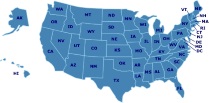
Looking for Another State?
Featured Resources
As an Amazon Associate, we earn from qualifying purchases. We get commissions for purchases made through links on this site.

Teach Me to Do It Myself: Montessori Activities for You and Your Child
Bob Books

America's National Parks for Dummies, Second Edition

Pass Your California DMV Test Guaranteed! 50 Real Test Questions! California DMV Handbook
